

Algae-Based Bioplastics: Nature’s Answer to the Plastic Crisis?

The Growing Pains of Plastic Pollution
It’s hard to go a day without running into plastic. Grocery bags, water bottles, shampoo containers—almost everything we touch feels like it was born from petroleum. Maybe you’ve had that moment of guilt tossing out a takeout container, knowing it will last far longer than your memory of that particular meal. With over 350 million tons of plastic produced globally each year, the environmental consequences are mounting: oceans filling up with waste, microplastics turning up in our food and bloodstreams, and landfills reaching their limit.
Many efforts try to solve this with recycling, paper, or compostable alternatives. But a remarkably promising solution is gaining ground in an unexpected place: algae.
What Are Algae-Based Bioplastics?
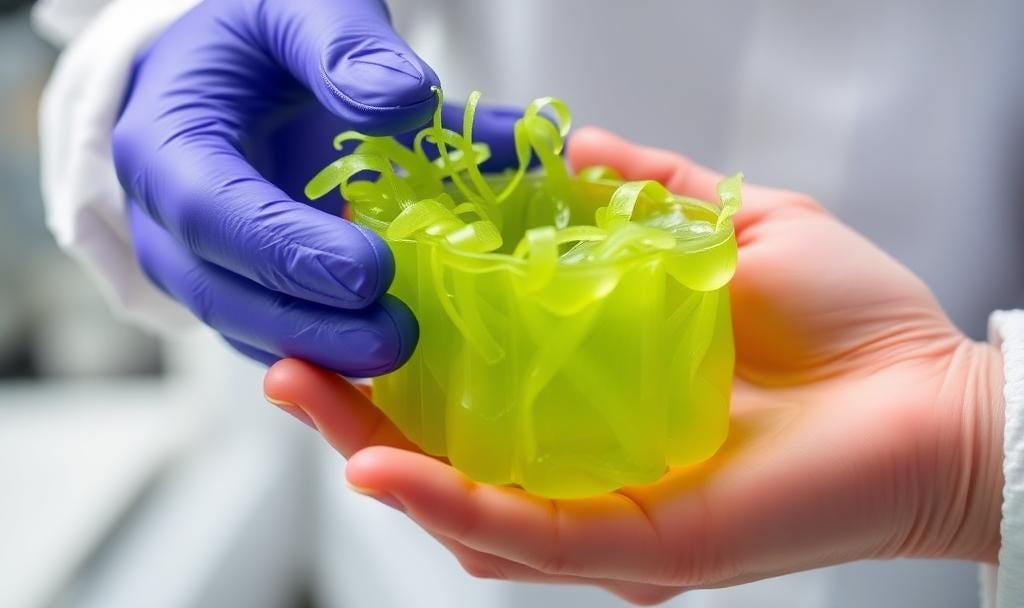
Most bioplastics you hear about come from corn starch or sugarcane, plants grown on land. Algae-based bioplastics take a different approach, harnessing fast-growing aquatic organisms, including microalgae and seaweed, to create polymers that rival conventional plastics but leave a lighter footprint.
Here’s how it works in broad strokes:
Algae are grown, often in tanks, ponds, or sometimes in ocean farms
The mass is harvested and processed to extract oils, starches, or cellulose
These ingredients become the building blocks for biopolymer chains, the same ones that form plastic
The innovation rests in a few key advantages. Algae grow fast, do not require farmland, and soak up carbon as they develop. In some scenarios, growing algae for plastic production actually decreases carbon emissions while reducing plastic waste.
Why Algae, and Why Now?
A shift is happening in the sustainability world, one that's giving algae real appeal:
Rapid growth, with some strains doubling in mass in a day
No pressure on food crops or arable land, since algae grow in saltwater or even in wastewater
Active carbon sequestration, with each harvest pulling CO₂ out of the atmosphere
Easy tailoring, as algae species can produce a mix of oils and carbohydrates suited for different plastics
Some industry experts suggest algae-based plastics can cut lifecycle CO₂ emissions by up to 80 percent compared to traditional petroplastics, though there’s still debate over the fine print. Even so, the opportunity seems immense.
Benefits and the Real-Life Roadblocks
Let’s break down what makes algae plastics so interesting:
Biodegradability, with many algae-based bioplastics breaking down in weeks or months, not years or centuries
Potential to degrade in seawater, meaning less marine microplastic pollution
Freedom from fossil-based toxins and additives
No need to compete with food supplies, as no farmland is involved
But there are real caveats:
The material properties do not always match up with regular plastic, so algae-based plastics are sometimes blended with other materials for strength or flexibility
Growing enough algae at low cost and processing it on a large scale is harder than it sounds
Consumer perception is in its awkward teenage years, with algae plastic still a novelty to many
Current usage is mostly limited to packaging, straws, and a few other disposable items
I get a sense of excitement seeing an algae-plastic product for sale, but if I’m honest, I rarely spot them outside specialty stores.
The Companies and Collaborations Pushing the Field Forward
Some notable pioneers are making real headway:
Algix, based in the US, turns algae from fish farms into bioplastics for shoes and packaging
Evoware, from Indonesia, makes edible seaweed-based packaging, especially single-serve sachets
Loliware, also from the US, sells compostable drinkware and utensils from seaweed-derived plastics
Big brands are starting pilot projects using algae-based alternatives. Unilever and Nestlé, for example, have begun limited trials, viewing algae as a way to cut their plastic use and boost their environmental image.
What’s Holding Algae Plastics Back?
Price is one big factor. At the moment, algae-based plastics can cost anywhere from 20 to 200 percent more than regular plastic. That could drop sharply as technology improves and production increases but it’s not there yet.
There’s also an issue with consistency, as the characteristics of algae can change based on strain, season, and location, making standardized production tricky. And, for real impact, these plastics need to be composted or left in the right environment to break down. A landfill doesn’t always do the trick.
It seems likely that government mandates, better consumer awareness, and smarter infrastructure will all be essential for scaling this innovation.
Looking to the Future
Here’s how things could play out in the next decade:
Truly circular production models, with algae grown, processed, used, and then composted in coastal cities
Use of algae cultivation as a carbon sink, helping to counter ocean acidification and atmospheric CO₂
Industrial-scale fermentation and ocean farming that can meet global demand for single-use plastics
Optimism is tempered by reality. The hurdles are genuine: keeping prices low, expanding variety and quality of algae plastics, and ensuring materials biodegrade in real-world conditions, not just lab settings.
Quick Stats to Consider
The global algae bioplastics market may reach $1.2 billion by 2030, with a yearly growth rate over 20 percent
Some algae-based plastics degrade in seawater in as little as eight to sixteen weeks
A single hectare of algae pond can capture up to sixty tons of CO₂ each year
Personal Reflection
If someone asked me five years ago if seaweed would change the world of packaging, I probably would have laughed a little. These days, I see real reason for hope. No single tweak will erase the world’s plastic burden, but algae-based bioplastics are a compelling step in a better direction.
Every time I encounter an algae-based product, even just a straw or cup, I pause—partly to check out how it feels, partly to marvel at the imagination behind it. I catch myself hoping these products will get more common, and that one day using them will be as routine as grabbing a plastic bag once was.
If you spot an algae-based product where you live, let me know. It feels like each of these small moments is a sign that creative, thoughtful solutions are taking hold in the world—even if they still feel a bit out of the ordinary for now.
Until next time,
Casey